
←
Back to products
Direction:
Body
Product Type:
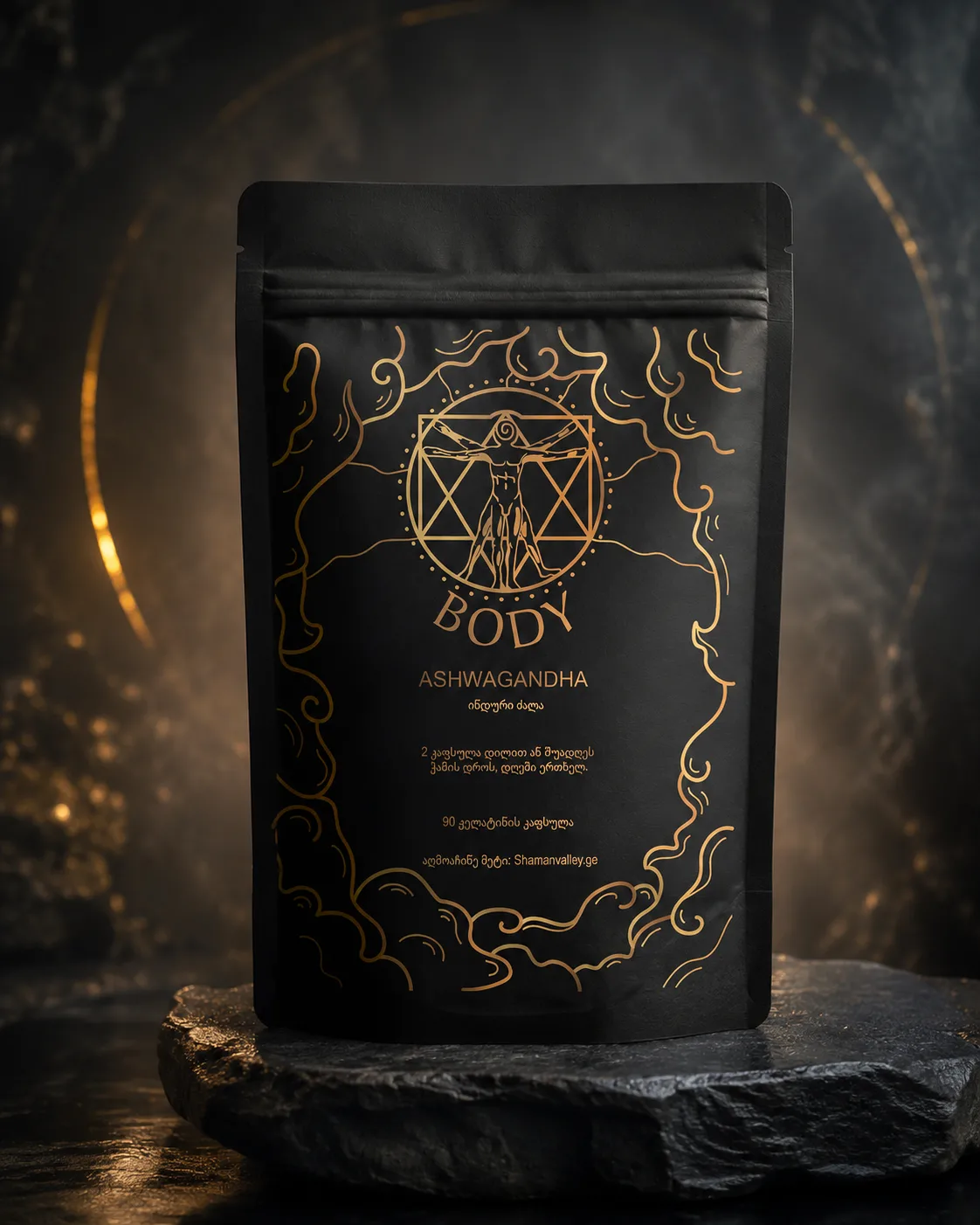
Capsules
Raw Material:
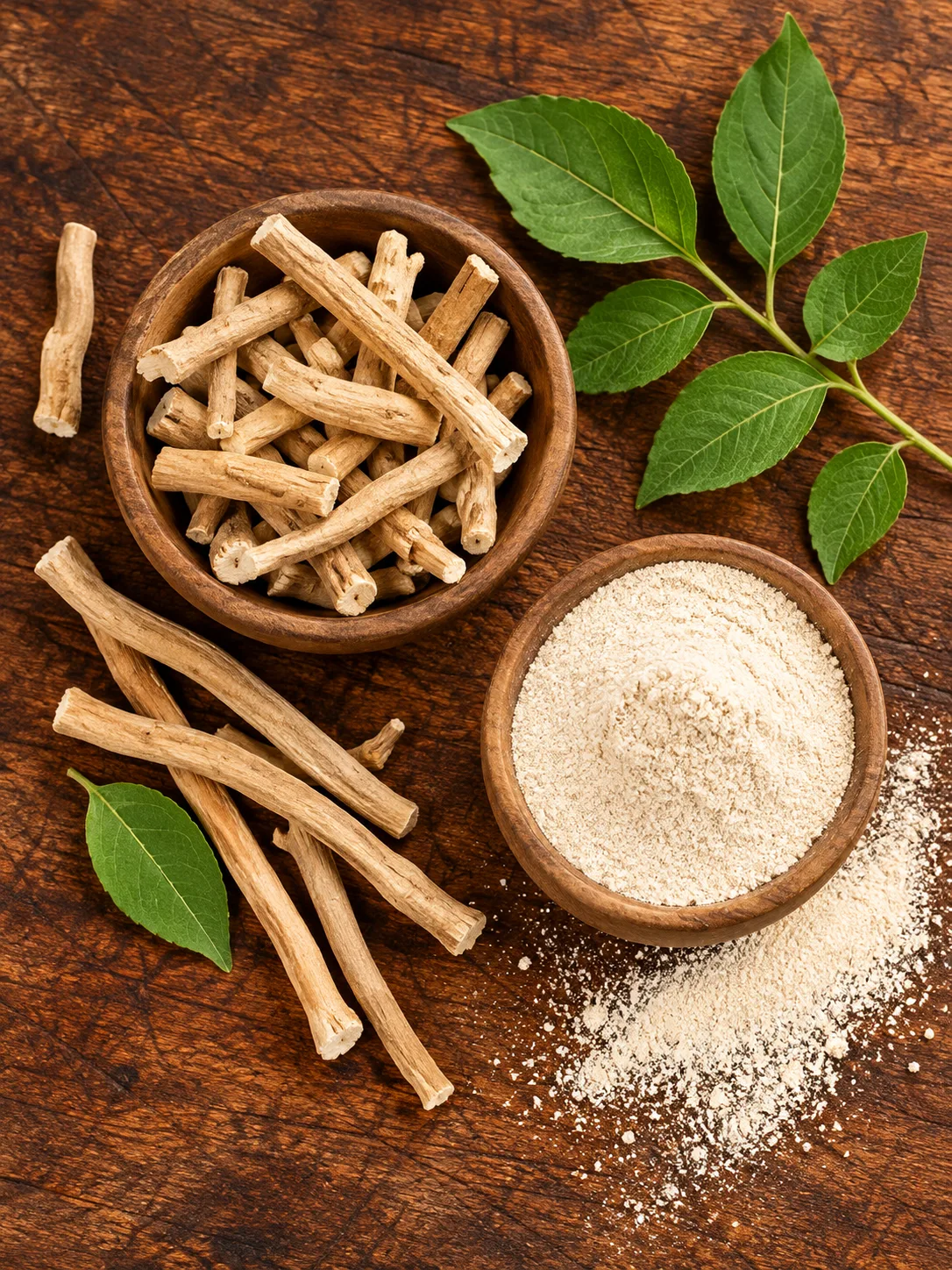
Root
Purpose:
Energy
Mood
Stress
Hormonal Balance
Libido
Recovery
Sport
Body
Ashwagandha
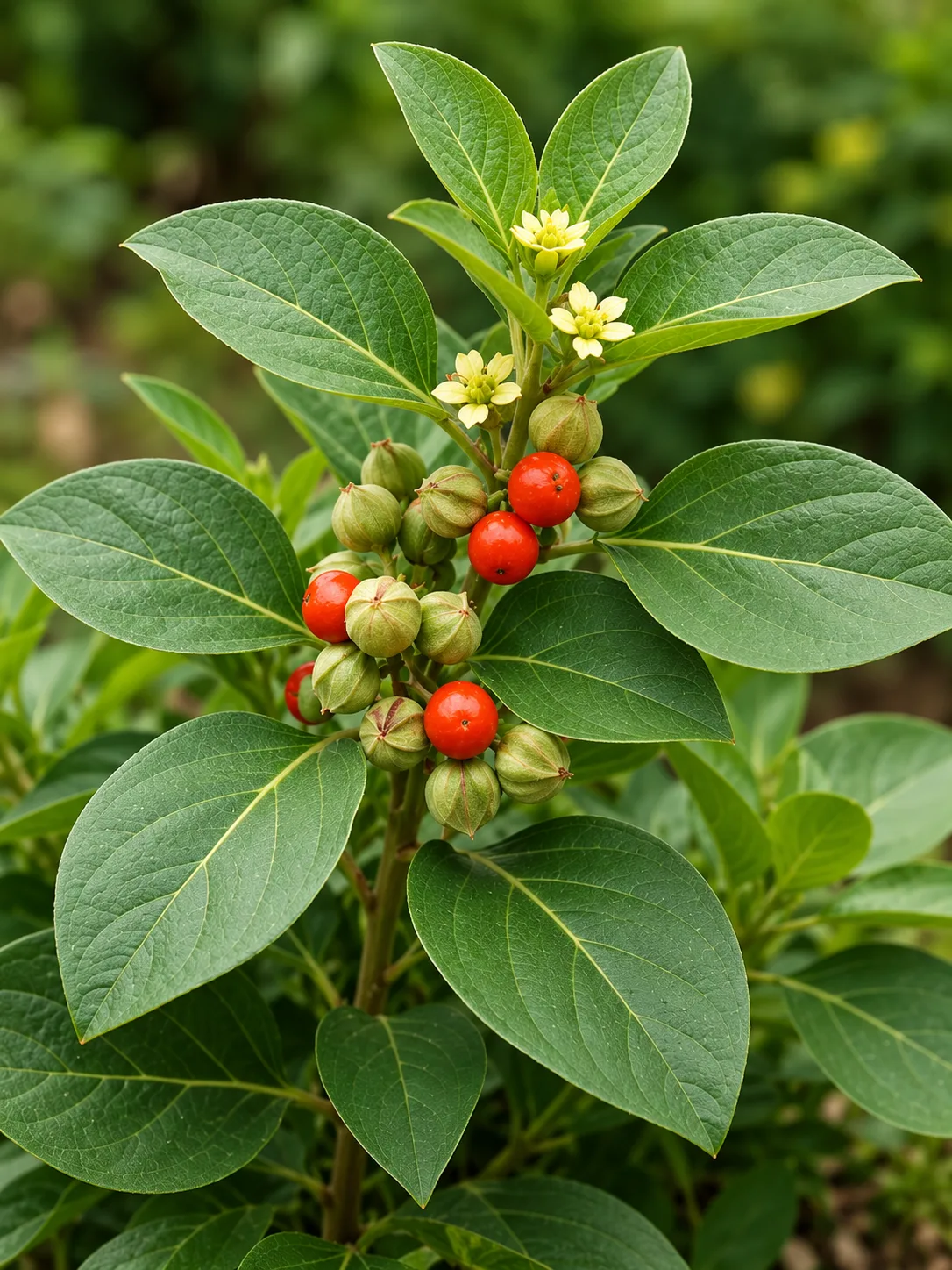
Withania somnifera One of the best-known plants used in traditional Indian medicine, whose roots have been used for centuries as a natural adaptogen and tonic. Ashwagandha is particularly relevant for people who live and work under high levels of stress and in a demanding daily routine. Ashwagandha helps support the body’s adaptation to stress, normal nervous system function, mental and physical endurance, overall vitality, and sexual well-being.
In stock
Key Properties & Effects
- • Stress Adaptation and Cortisol Balance: Helps support the body’s normal response to stress and maintain emotional balance. Some clinical studies suggest that ashwagandha intake may be associated with reduced cortisol levels and a lower perception of stress. It also supports relaxation and healthy sleep quality.
- • Support for Male Reproductive Function: Helps support overall vitality, sexual well-being, and normal male reproductive function. In some studies, ashwagandha intake has been associated with positive changes in testosterone levels and certain sperm parameters.
- • Support for Female Physiological Well-Being: Traditionally used to support overall vitality, emotional balance, and adaptation to stress in women, including during periods of natural hormonal changes in the body.
- • Support for Endocrine and Metabolic Balance: The bioactive components of ashwagandha participate in processes related to stress, energy metabolism, and hormonal signaling, helping to support the body’s normal physiological balance.
- • Physical Performance and Endurance: Helps support physical endurance, strength, and recovery after exercise. In some studies, its use together with resistance training has been associated with improvements in muscle strength and body composition.
How to Take
Take 2 capsules 30 minutes before meals with a sufficient amount of water.
❌ Do not use in case of individual intolerance or hypersensitivity to any of the product’s components.
Do not use during pregnancy or breastfeeding.
Not intended to treat diseases.
Consult a healthcare professional before use.
Active Substances
Withanolides (steroidal lactones) and sitoindosides are the main bioactive markers of ashwagandha associated with its adaptogenic properties.
The root also contains specific alkaloids, including withanine and somniferine, as well as phytosterols, saponins, coumarins, and phenolic acids.
This complex of compounds participates in various biochemical processes and may help support the normal functional balance of the nervous, endocrine, and metabolic systems.
Detailed description
The biological activity of Withania somnifera is associated with a complex of steroidal lactones — withanolides, sitoindosides, and other bioactive compounds.
Ashwagandha does not act like a conventional stimulant. Its adaptogenic properties are more closely associated with modulation of the body’s stress response, nervous system activity, and overall physiological balance.
HPA Axis Modulation and Stress Response
One of the most extensively studied aspects of ashwagandha is its relationship with the hypothalamic-pituitary-adrenal (HPA) axis, which plays an important role in the body’s response to stress.
Mechanism:
Research suggests that the bioactive components of ashwagandha may participate in the modulation of neuroendocrine signaling associated with stress. Its exact molecular mechanisms of action are still under investigation.
Biochemical Result:
In some clinical studies, ashwagandha extract supplementation has been associated with reduced cortisol levels and improved adaptation to stress. This may help support energy levels, emotional balance, and normal physical vitality.
Support of the GABAergic System and Nervous System Balance
GABA is one of the main inhibitory neurotransmitters in the central nervous system and plays a role in regulating neural excitation, relaxation, and sleep.
Mechanism:
Preclinical data suggest that some components of ashwagandha may interact with the GABAergic signaling system and influence the regulation of neuronal excitability.
Biochemical Result:
Such activity may support relaxation, nervous system balance, and sleep quality. The neurobiological properties of ashwagandha are also actively being studied in relation to oxidative stress and the maintenance of normal neuronal function.
Steroidogenesis and Male Reproductive Function
Prolonged stress and high physical demands can affect the body’s hormonal and reproductive functions.
Mechanism:
Ashwagandha’s activity in this area may be related both to modulation of the stress response and to support of antioxidant systems. Research has examined its effects on superoxide dismutase, catalase, and other antioxidant mechanisms.
Biochemical Result:
Some clinical studies have reported positive changes in testosterone levels and certain sperm parameters. However, results depend on the extract used, dosage, duration of supplementation, and the individual’s baseline physiological condition.
Thyroid and Metabolic Processes
The effects of ashwagandha on endocrine and metabolic processes remain an active area of research.
Mechanism:
Some studies suggest that ashwagandha may influence certain parameters associated with thyroid hormones. The exact mechanism and clinical significance of this effect have not yet been fully established.
Biochemical Result:
Its adaptogenic activity may support normal energy metabolism, physical vitality, and adaptation to physical demands.
When combined with exercise, ashwagandha supplementation has been associated in some studies with improvements in strength, endurance, and muscle mass.
People with thyroid dysfunction or those taking related medications should consult a healthcare professional before using ashwagandha.
You may also like
Customer experience
Product reviews
There are no published reviews yet. You can be the first.
Read our articles
Read our articles
If you want to learn more about the plants, rituals, and the history behind our ingredients, visit the articles section.
← Go to articles