
Author: Shaman valley
Updated:
Shamanic WisdomGod leaves
The Lucid dreams of Chontal shamans and the ancient tradition of seeking answers.
Leaves of God — Seeking Answers Through Dreams
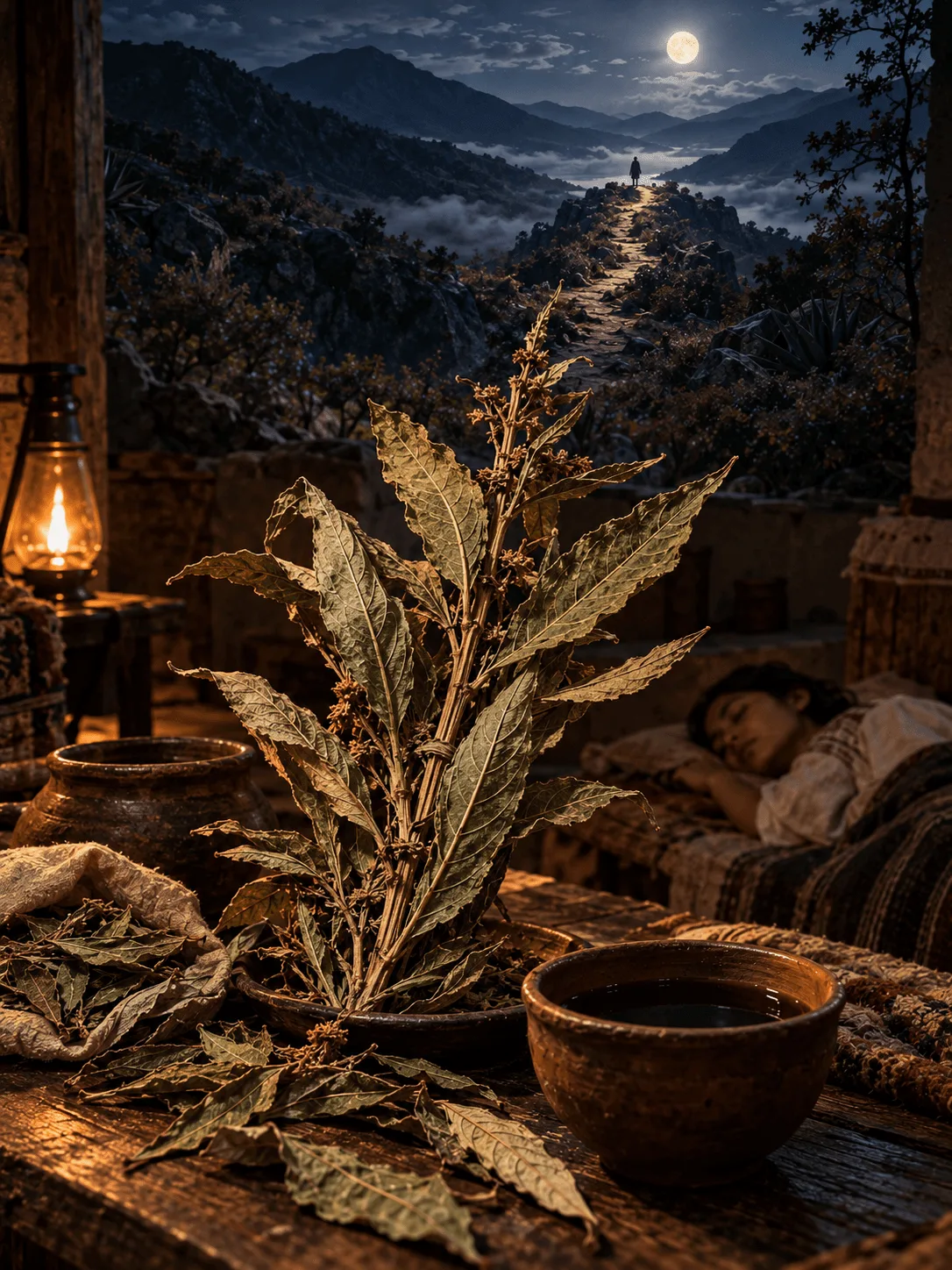
The Chontal people of Oaxaca, Mexico, have an ancient tradition of seeking answers through dreams. For this purpose, they used a plant called Calea zacatechichi, known in their local language as “Thle-pelakano,” or “Leaves of God.”
For Chontal shamans, a dream was more than just a story experienced during sleep. They believed that dreams could reveal knowledge that remained inaccessible to people while awake.
How the Ritual Was Performed
Everything began with a specific question. A person might want to understand the cause of an event, find a missing person, or receive an answer to another important question.
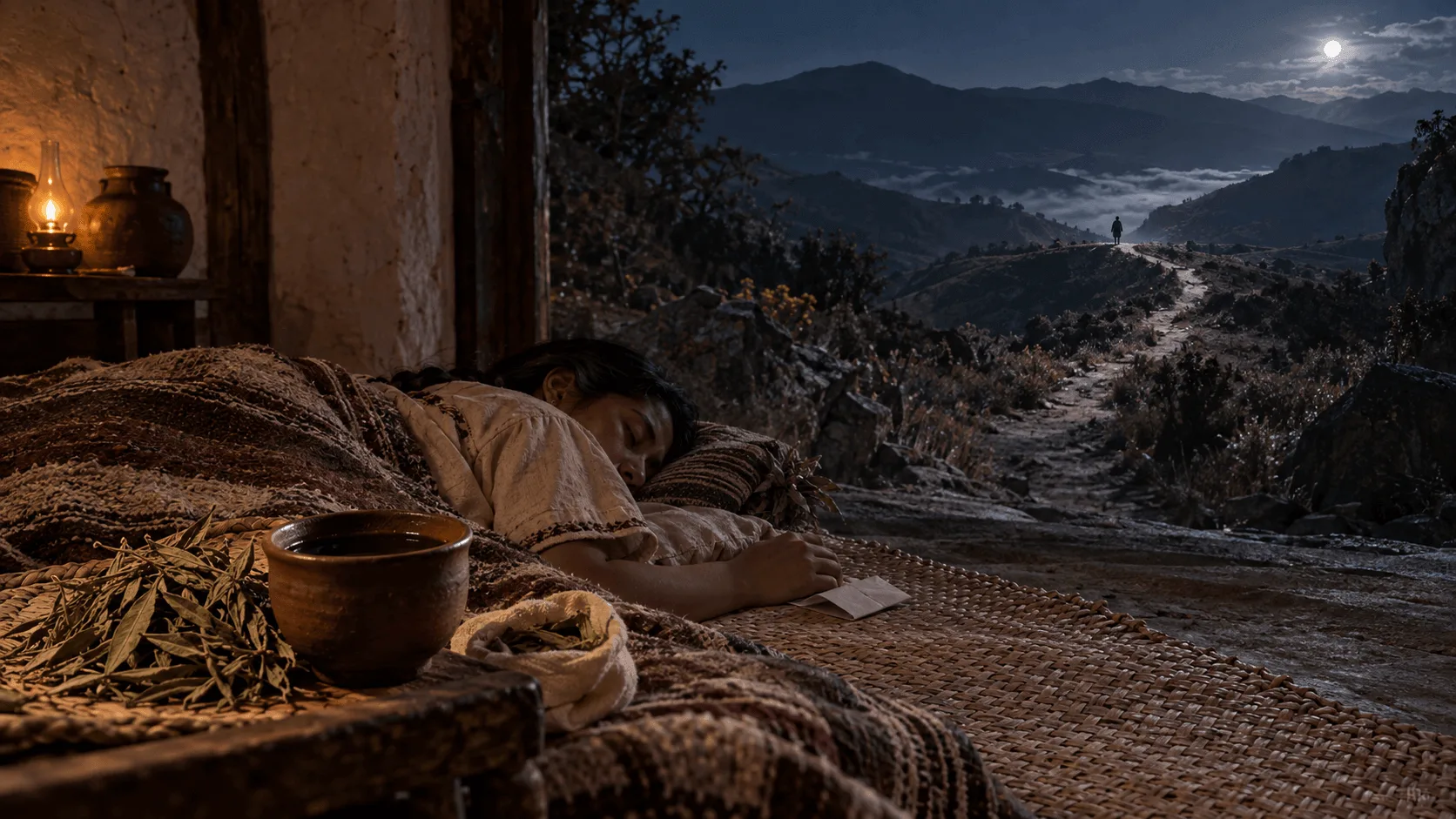
To do this, shamans used Calea leaves. Ethnobotanical records describe how they prepared a very bitter infusion from dried leaves. Sometimes the leaves were also smoked. Afterwards, the person would fall asleep in a quiet place.
The Chontal believed that the answer would appear in a dream. It might take the form of a person, a place, an event, or another clue connected to the original question.
The answer was not always direct or easy to understand. Immediately after waking, the dreamer would recall the dream and try to interpret its meaning.
The plant held a special role in this tradition. The Chontal associated it with gaining knowledge through dreams. However, the dream itself and the meaning of what appeared within it remained central to the practice.
Ancient Tradition and Modern Science
In 1968, ethnobotanist Thomas MacDougall described how the Chontal used Calea to seek answers through dreams. Other researchers later became interested in this practice.
A small scientific study conducted in 1986 found that Calea extract could alter certain aspects of sleep. Researchers also observed changes in how participants described their dreams.
The Chontal tradition demonstrates how differently dreams can be understood across cultures. For them, sleep was more than a time for rest. It was also a time when people sought answers to their questions.
The central idea of this tradition is simple: people searched for answers not only in the external world but also within their own dreams.