
←
Back to products

Direction:
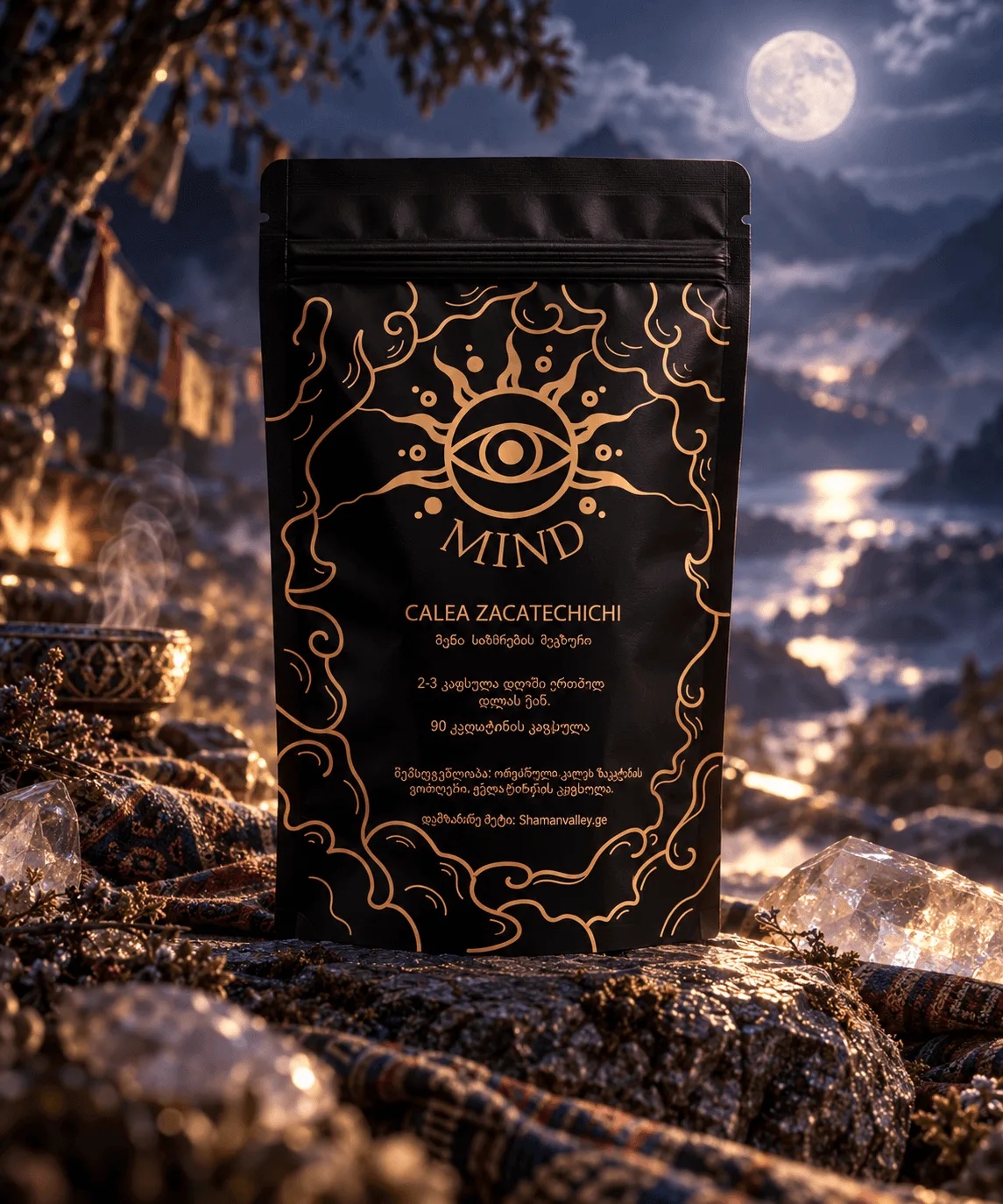
Mind
Product Type:
Capsules
Leaves
Raw Material:
Herb
Purpose:
Brain
Sleep
Meditation
Memory
Mind
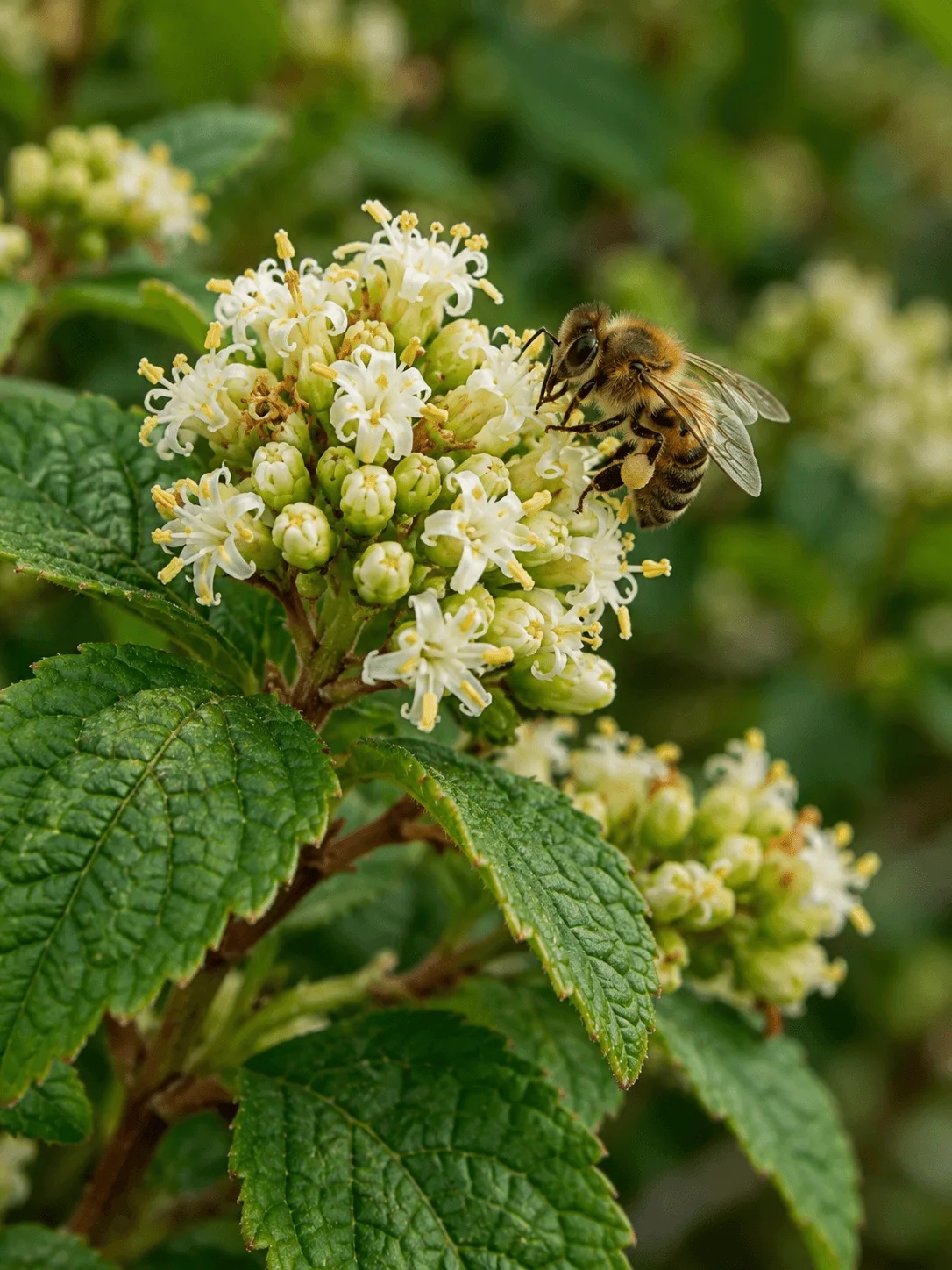
Calea zacatechichi
Calea, often referred to as the “dream herb,” is a shrub belonging to the Asteraceae family and is native to Mexico and Central America. It held a special place in the traditions of the Chontal people of Oaxaca. They called the plant Thle-pela-kano — “Leaf of God” — and regarded dreams as a source of information, signs, and answers. This tradition is what made Calea one of the best-known plants associated with the world of dreams.
In stock
Key Properties & Effects
- • Inner Calm and Relaxation: Calea supports relaxation and helps reduce mental tension. Traditionally, it has been associated with a calm, inwardly focused state in which the mental noise of the day becomes quieter.
- • Vivid Dream Perception: Calea is best known for its association with the dream experience. It may support more vivid, detailed, and narrative dream perception.
- • Dream Recall: Traditionally, Calea was used not only to experience dreams more vividly, but also to remember and interpret their content. Studies have also reported more frequent recall of dreams and imagery occurring during sleep.
How to Take
Warnings and Contraindications
This product is intended for adults only.
Do not use in case of individual intolerance or hypersensitivity to any of the product’s components.
Do not use during pregnancy or breastfeeding.
Not intended to treat diseases. Consult a healthcare professional before use.
Take 2–3 capsules 30–60 minutes before bedtime with a sufficient amount of water.
Ideally, have your last meal approximately 2–3 hours before taking the capsules and avoid heavy meals late in the evening.
Active Substances
Calea is rich in sesquiterpene lactones, including compounds from the germacranolide group such as calein A, calealactone C, and related substances. Compounds from this group are largely responsible for the plant’s characteristically intense bitterness.
Its phytochemical profile also includes acacetin, chlorogenic acid, rutin derivatives, and other flavonoids.
The exact molecular mechanism behind Calea’s dream-related effects has not yet been fully established. Research points more strongly toward the activity of the whole extract and its influence on sleep architecture and nighttime electrical activity in the brain than toward the action of any single compound.
Detailed description
Dreams as a Source of Information
In Chontal tradition, a dream was not regarded simply as nighttime fantasy. It was seen as a space in which one could receive answers to questions, locate something that had been lost, interpret future events, and interact with the unseen world.
In this context, Calea functioned as a kind of “dream plant” — a plant that encouraged greater attention to inner imagery and the language of dreams.
In some Mesoamerican and later esoteric sources, Calea is also associated with Tlalocan — the mythical realm of Tlaloc. Here, the dream becomes a boundary between ordinary consciousness and the experience of another reality.
Calea: Neurophysiology of Dreaming and Mechanisms of Action
Calea zacatechichi is particularly interesting because studies have observed changes not only in the subjective experience of dreaming, but also in sleep architecture and the electrical activity of the hippocampus.
At the same time, no single compound responsible for these effects has yet been identified. Calea’s activity is therefore better understood as the result of the plant’s broader phytochemical complex.
Relaxation and the Transitional State of Sleep
Biochemistry:
In a small controlled human study, Calea extract increased the duration of lighter stages of sleep and the number of spontaneous awakenings.
In the same study, participants more frequently reported vivid internal imagery arising during sleep.
Effect:
This relatively light transitional state between sleep and wakefulness may support clearer perception of internal imagery and make it easier to remember afterward.
Vivid Dream Perception — the Hippocampus and Gamma Activity
Biochemistry:
In one study, Calea extract increased fast hippocampal gamma activity in the approximate 31–50 Hz range during REM sleep.
The hippocampus plays an important role in memory, contextualizing experience, and linking information, while gamma rhythms are associated with the integration of neural information.
Effect:
This pattern of hippocampal activity during REM sleep may partly explain the richer, more detailed, and more narrative dream experiences associated with Calea.
This does not mean that the plant automatically induces controlled or lucid dreams — research points more toward enhanced dream imagery and increased nighttime cognitive activity.
Dream Recall and Memory Processes
Biochemistry:
During REM sleep, the hippocampus participates in processing information acquired throughout the day and in processes related to memory consolidation. The changes in hippocampal gamma activity observed with Calea are particularly interesting in this context.
In an early human study, participants reported more frequent recall of dreams and sleep-related imagery after taking Calea.
Effect:
These findings may help explain Calea’s traditional reputation as a plant that supports not only a more vivid dream experience, but also the subsequent recall of dream content.
Active Compounds — Still an Open Question
Calea contains various germacranolides and other sesquiterpene lactones, including calein A and calealactone C, as well as acacetin, chlorogenic acid, and flavonoid compounds.
Current research suggests that the plant extract may interact with cholinergic and dopamine-related biochemical pathways.
You may also like


Customer experience
Product reviews
There are no published reviews yet. You can be the first.
Read our articles
Read our articles
If you want to learn more about the plants, rituals, and the history behind our ingredients, visit the articles section.
← Go to articles